



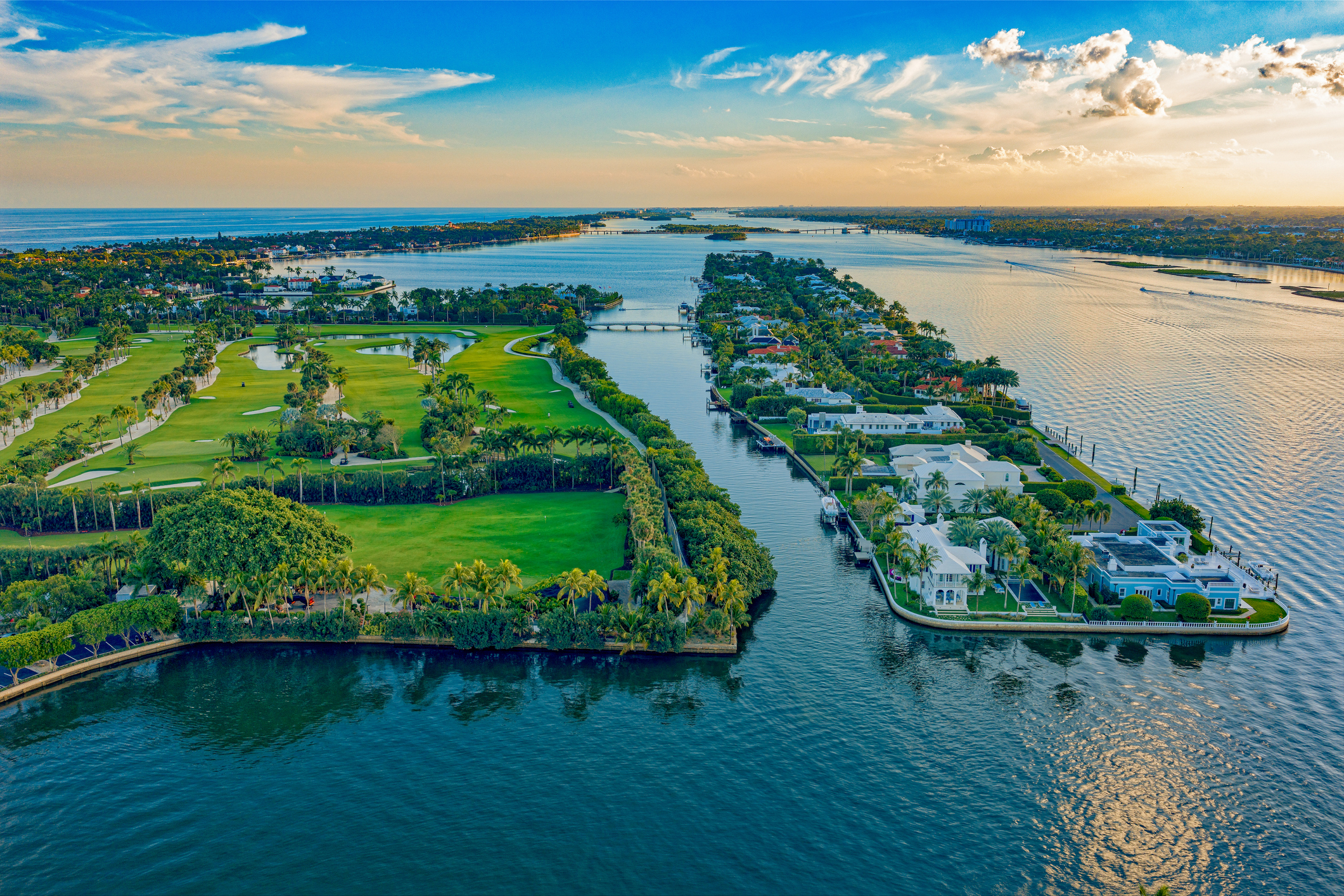
Defined by its rare ocean-to-Intracoastal positioning, Palm Beach continues to set the standard for long-term estate value and generational relevance.
In Palm Beach, certain properties are evaluated differently. Within the Palm Beach real estate market, they are defined not by immediate use but by how well they hold their position over time through changes in design, ownership, and market cycles. Location, land, and architecture work together to determine whether a property remains relevant or gradually loses its standing within the island’s tightly constrained landscape.
This long-term perspective shapes what many buyers consider “legacy potential.” It is not a single feature, but a combination of factors that influence whether a property will continue to carry value, function, and desirability for years to come.
Table of Contents
- Location as a long-term anchor
- Land value and scarcity
- Architectural integrity and timeless design
- Redevelopment and adaptability
- Zoning, preservation, and constraints
- How buyers evaluate legacy potential
- Balancing personal use and long-term value
- Frequently asked questions
- A more informed approach to Palm Beach estate acquisition
WHAT DEFINES LONG-TERM ESTATE VALUE
|
LOCATION AS A LONG-TERM ANCHOR
Placement often defines an estate’s long-term relevance more than its design. In Palm Beach, where land is finite and access is curated, location shapes privacy, connectivity, and sustained desirability in ways architecture alone cannot replicate.
Prioritize proximity to key areas.
Location remains fixed, making it the foundation of long-term value. Oceanfront and Intracoastal properties stand apart due to their scarcity, while central positioning near Worth Avenue and Midtown connects estates to dining, retail, and cultural destinations. In the Estate Section, beachfront privacy is paired with direct access, while the North End offers larger parcels in a quieter setting. Across these enclaves, access and discretion are carefully balanced − an approach also seen in select commercial real estate in Palm Beach, where positioning drives sustained demand.
Assess consistency of demand.
Enduring locations maintain their appeal across cycles. The Midtown area, North End, and Estate Section continue to see steady interest, supported by limited inventory and established planning standards. Within the Palm Beach real estate market, these neighborhoods demonstrate resilience, preserving value during downturns and strengthening through periods of growth.
LAND VALUE AND SCARCITY
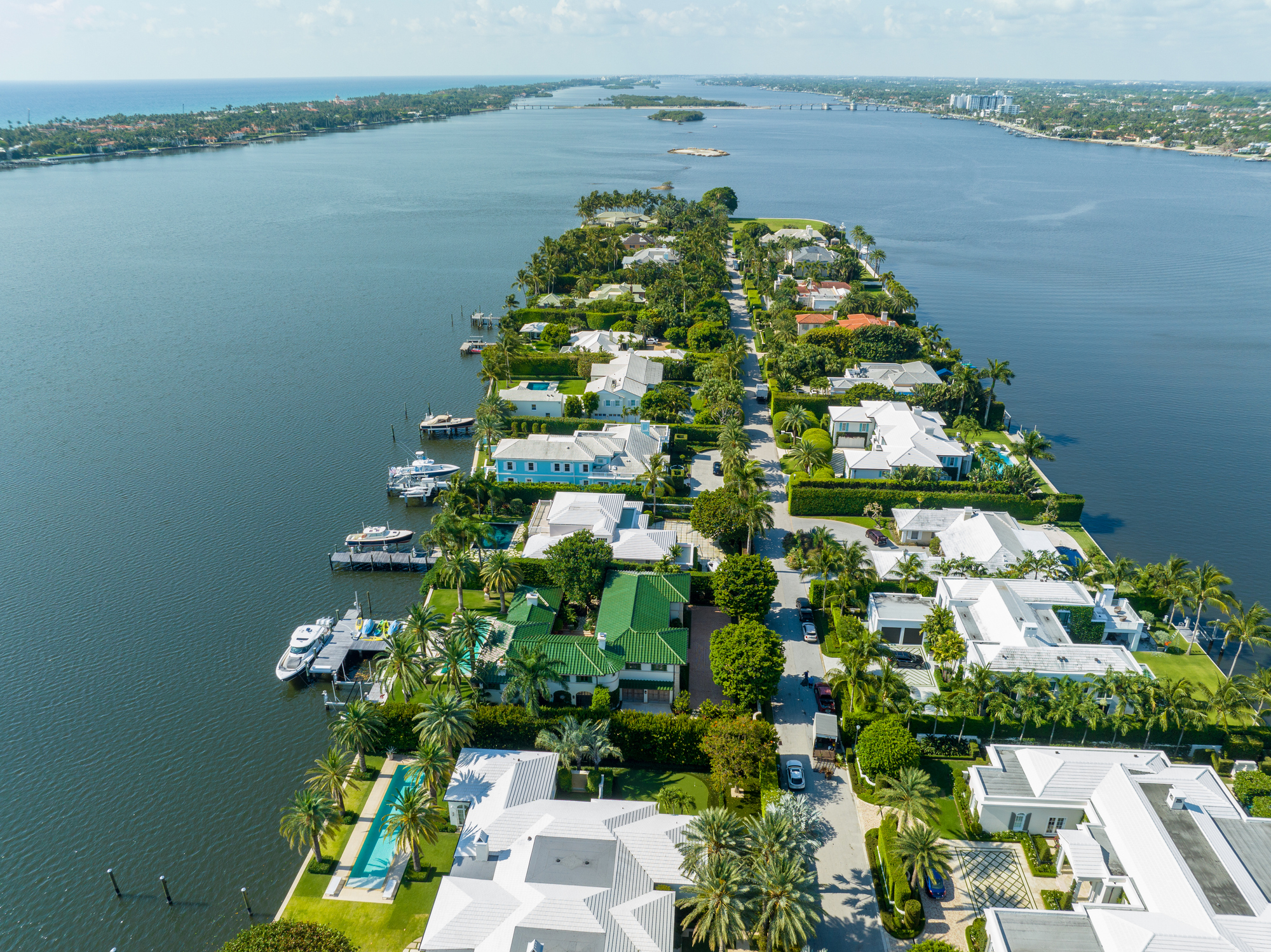
Limited parcel availability and defined lot configurations reinforce the long-term value of Palm Beach estates.
Land often becomes the defining factor when evaluating long-term potential, even before architecture or interiors. In Palm Beach, where expansion is not possible, the land itself carries lasting weight.
Recognize the limits of supply.
Palm Beach is a barrier island with a fixed number of residential parcels. No new land can be introduced, and prime sites − particularly oceanfront, Intracoastal, and ocean-to-lake − remain tightly held. This constraint creates a sustained scarcity premium that underpins long-term value.
Across the Palm Beach real estate market, land tends to appreciate independently of short-term activity. Even during slower periods, well-located parcels retain demand. This dynamic mirrors patterns seen in commercial real estate in Palm Beach, where positioning and scarcity continue to drive performance over time.
Evaluate lot size and configuration.
Not all parcels offer equal potential. Larger lots provide greater privacy and flexibility, allowing for expansion, redevelopment, or the creation of more tailored compounds. Well-configured sites support future planning without limiting usability. Over time, this adaptability becomes critical, ensuring the property can evolve while remaining relevant across generations.
ARCHITECTURAL INTEGRITY AND TIMELESS DESIGN
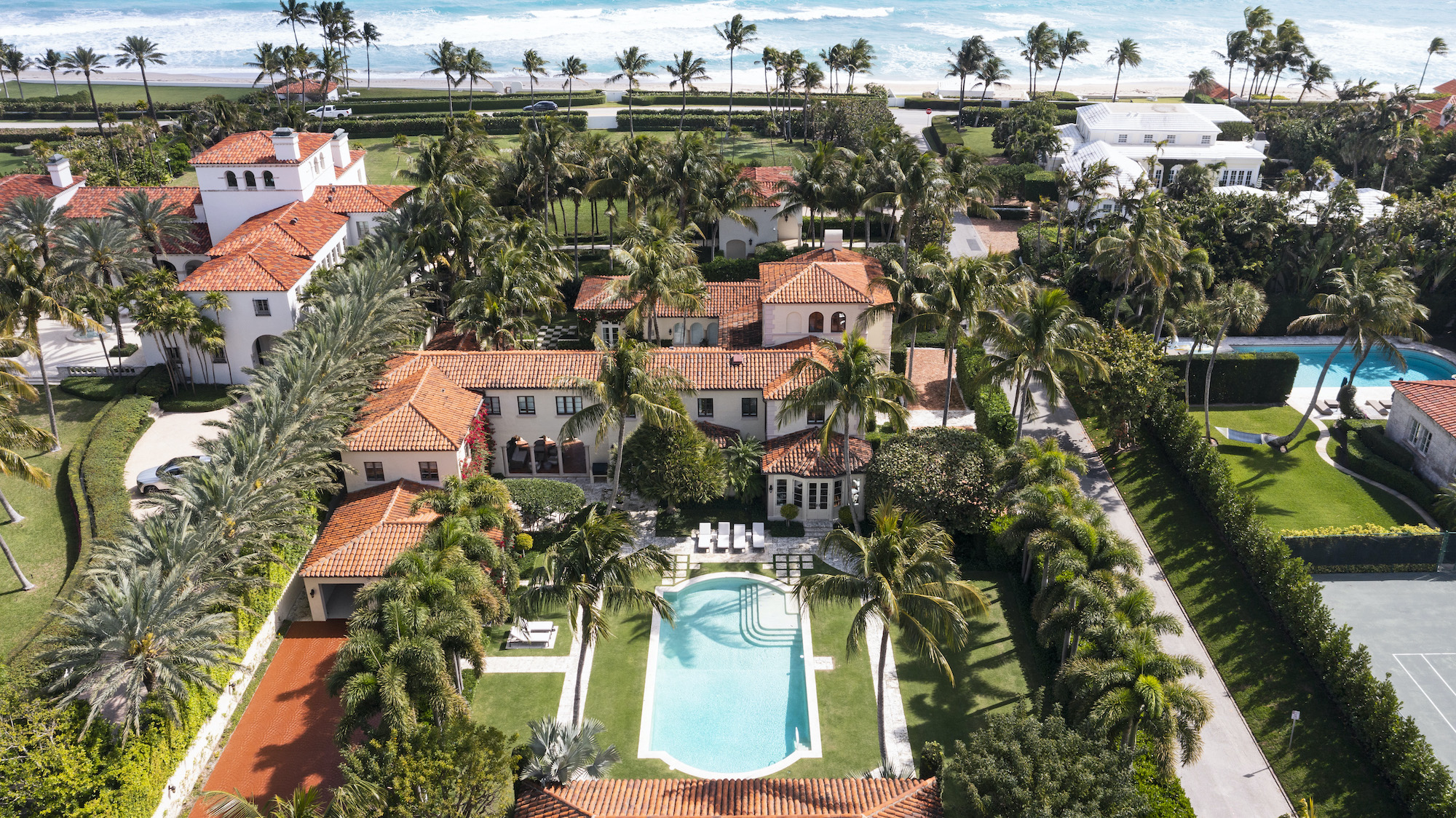
Proportion, symmetry, and architectural restraint define the types of design decisions that support long-term relevance in Palm Beach estates. (Photo by Brent Bingham Photography)
Beyond scale or architectural detail, legacy properties are defined by restraint and proportion. In the Palm Beach real estate market, architectural integrity often determines whether a home reflects a passing trend or endures across generations.
Prioritize proportion, scale, and balanced design.
Begin with balance rather than size. The most enduring estates are not those that maximize allowable footprint, but those that maintain a measured relationship between structure and land. Generous setbacks, layered landscaping, and private courtyards allow the home to sit naturally within its setting. This approach enhances both livability and long-term appeal. Homes that avoid trend-driven design age more gracefully, relying instead on durable materials and thoughtful detailing that prioritize permanence.
Favor architectural continuity and enduring styles.
Consistency of style remains equally important. Mediterranean Revival and Spanish-influenced architecture continue to define many of the most desirable luxury homes in Palm Beach, shaped by proportion, texture, and climate-responsive design. Historically influenced properties retain value because they align with the island’s established character. Architectural oversight reinforces this continuity, ensuring new development complements rather than disrupts its surroundings. The most resilient estates balance this tradition with modern upgrades, preserving architectural intent while supporting long-term relevance.
REDEVELOPMENT AND ADAPTABILITY
In a market defined by scarcity and evolving design standards, a property’s ability to change over time becomes just as important as its current form. True legacy estates are rarely static − they are positioned to evolve, expand, or be reimagined as needs and expectations shift across generations.
Look for properties that allow renovation, expansion, and rebuilding.
Many high-value holdings are defined more by land than by structure. Properties that allow renovation or full redevelopment offer a clear advantage, especially as standards continue to evolve. Open layouts, integrated technology, and more resilient construction are now baseline expectations.
Across the Palm Beach real estate market, older estates on prime parcels are often approached as land-first opportunities. Redevelopment becomes a way to align the property with the expectations seen in luxury homes in Palm Beach, ensuring continued relevance.
Prioritize flexibility as part of long-term value.
Adaptability ensures a property can respond to changing lifestyle needs. Multi-generational living, expanded outdoor programming, and remote work infrastructure all require layouts that can be adjusted over time. Flexibility also supports strategic reinvestment, allowing properties to be modernized rather than replaced, essentially preserving both value and continuity.
ZONING, PRESERVATION, AND CONSTRAINTS
In Palm Beach, a property’s long-term trajectory is shaped as much by regulation as by land or design. What can be built, expanded, or preserved ultimately defines how an estate evolves, influencing both its usability and its long-term relevance.
Understand how local regulations shape future use.
Zoning plays a central role in determining what is possible. Residential zoning designations help preserve single-family use and limit density, reinforcing exclusivity across established enclaves. Height limits, lot coverage, and setback requirements further define how a property can grow.
Properties with greater zoning flexibility tend to carry stronger long-term value. This is particularly relevant for waterfront properties in Palm Beach, where environmental regulations and coastal setbacks can significantly influence buildable area and future expansion.
Recognize the role of historic designation and architectural review.
Preservation frameworks help maintain the island’s architectural identity. The Landmarks Preservation Commission and the Architectural Commission oversee modifications, ensuring continuity in design and scale. While these processes introduce limits to investors, they also protect surrounding property values and reinforce long-term desirability.
Evaluate constraints before committing to a purchase.
On the island, regulatory limitations are most consequential when discovered too late. Setbacks, environmental protections, and historic designations can reshape redevelopment plans or limit expansion. Understanding these factors upfront ensures that expectations align with what is realistically achievable over time.
HOW BUYERS EVALUATE LEGACY POTENTIAL
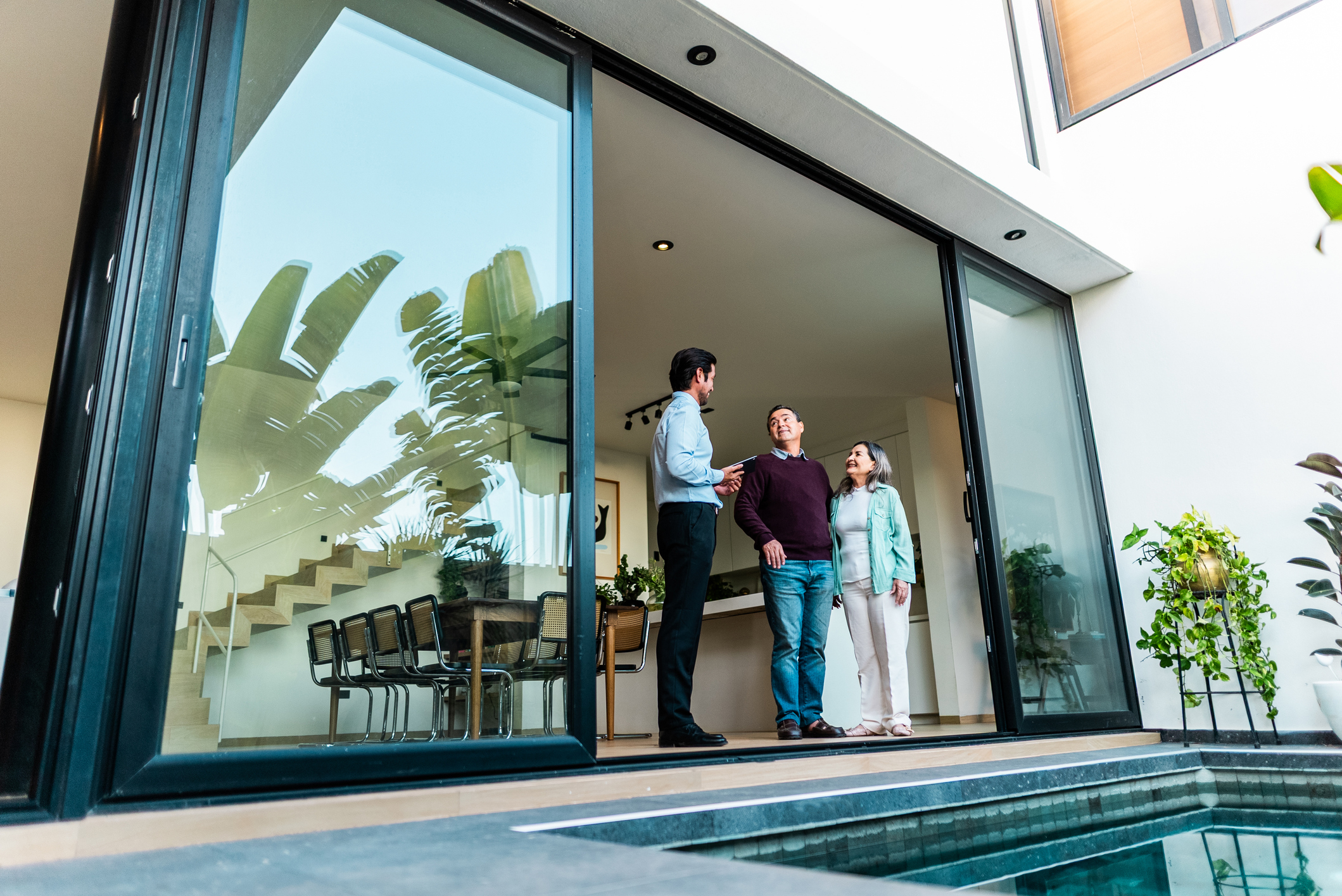
Buyers assessing legacy potential focus on long-term relevance, weighing location, architecture, and adaptability.
Evaluating a Palm Beach estate through a long-term lens requires looking beyond immediate appeal. Buyers shift focus to durability: how a property holds value, adapts over time, and continues to attract interest across generations.
Evaluate whether the property will remain desirable over time.
Enduring appeal begins with scarcity and setting. Private enclaves with limited land availability, particularly ocean-to-Intracoastal corridors, continue to draw sustained interest. This scarcity underpins long-term value retention.
Construction quality reinforces that position. Homes built for coastal conditions, or those with strong renovation potential, tend to perform more consistently. Architectural significance adds another layer, with landmarked estates or historically informed designs offering protection against obsolescence.
Assess whether the location supports long-term value.
Location determines whether demand strengthens or fades. Proximity to aviation access, cultural infrastructure, and private amenities supports continued relevance. Environmental resilience, including elevation and seawall integrity, has also become a key consideration.
Consider whether the design is adaptable or enduring.
Legacy properties are rarely static in function. Flexible layouts that accommodate modern living − home offices, wellness spaces, or expanded entertaining areas − allow homes to evolve without losing architectural integrity. Timeless design languages such as Mediterranean or coastal contemporary further support longevity by avoiding trend dependence.
Distinguish short-term appeal from long-term relevance.
Short-term appeal often favors highly stylized finishes or trend-driven amenities. Long-term relevance is defined by rarity, location strength, and the ability of a property to remain desirable regardless of shifting design preferences or market cycles.
BALANCING PERSONAL USE AND LONG-TERM VALUE
When evaluating legacy potential, how a property will be lived in matters as much as where it sits. Buyers have to account for both present use and what may be required over time.
Clarify primary residence versus seasonal use.
The way a property is used has a direct impact on its long-term positioning. Primary residences in Palm Beach can offer structural advantages, including potential tax efficiencies and simplified long-term planning. Seasonal homes, while highly desirable for part-time living, often carry higher management and insurance considerations over time.
Many legacy-oriented acquisitions in Palm Beach begin as seasonal residences but gradually transition into primary or semi-primary use. This shift often reflects a broader strategy: reducing friction in ownership while strengthening long-term asset stability.
Consider family legacy and generational use.
Beyond financial value, these properties often function as shared family anchors. Estates with architectural significance, privacy, or direct water access become spaces tied to memory and continuity. However, without clear planning, they can also introduce complexity around upkeep, usage, and long-term stewardship.
A legacy-minded approach ensures the property remains both desirable and practical for future generations, reducing the likelihood of forced disposition driven by maintenance burden or fragmented ownership.
Align investment strategy with lifestyle priorities.
The most effective ownership models treat lifestyle and investment as complementary rather than competing priorities. Proximity to clubs, beaches, and cultural amenities supports daily use, while location and quality preserve long-term value. Some owners offset carrying costs through selective, limited rental strategies, while maintaining primary enjoyment of the home.
In this balance, the estate functions as both a private sanctuary and a disciplined long-term holding, designed to serve family life while sustaining generational wealth.
FREQUENTLY ASKED QUESTIONS
What makes a property have long-term or “legacy” value in Palm Beach?
Legacy value is shaped by scarcity, location, and architectural or historical significance. Oceanfront and Intracoastal properties, limited land supply, and landmark estates create enduring demand that often outpaces broader cycles within the local real estate market. These assets are typically held across generations, supported by tax resilience and sustained high-net-worth interest.
Is location more important than the home itself?
Yes. Location is the most permanent driver of value because it cannot be replicated. Proximity to the ocean, Worth Avenue, and established neighborhoods such as the North End or South Ocean Boulevard consistently outweighs the structure itself. Homes can be rebuilt; positioning cannot.
Do newer homes have the same legacy potential as older estates?
Not typically. Newer homes offer efficiency and modern utility, but older estates carry rarity, architectural pedigree, and irreplaceable land positions. Landmark properties, in particular, tend to function as long-term wealth preservation assets.
How does zoning affect long-term value?
Zoning defines what can be built, expanded, or preserved. Strict controls reinforce scarcity, while flexible zoning can enhance development potential. Both directly influence long-term appreciation and neighborhood stability.
What do buyers often overlook when thinking about long-term value?
Hidden costs are frequently underestimated. Insurance premiums, maintenance demands, system age, and flood resilience all impact long-term performance. Location alone does not guarantee appreciation; infrastructure and regulatory realities matter just as much.
A MORE INFORMED APPROACH TO PALM BEACH ESTATE ACQUISITION
Identifying a legacy property in Palm Beach requires a clear understanding of how location, land, and design perform over time. The right opportunity is rarely defined by immediate appeal, but by how well it holds its position across changing cycles and evolving expectations.
To explore properties aligned with your long-term goals, contact Suzanne Frisbie at 561.373.0941 or send an email to begin a more tailored conversation.