




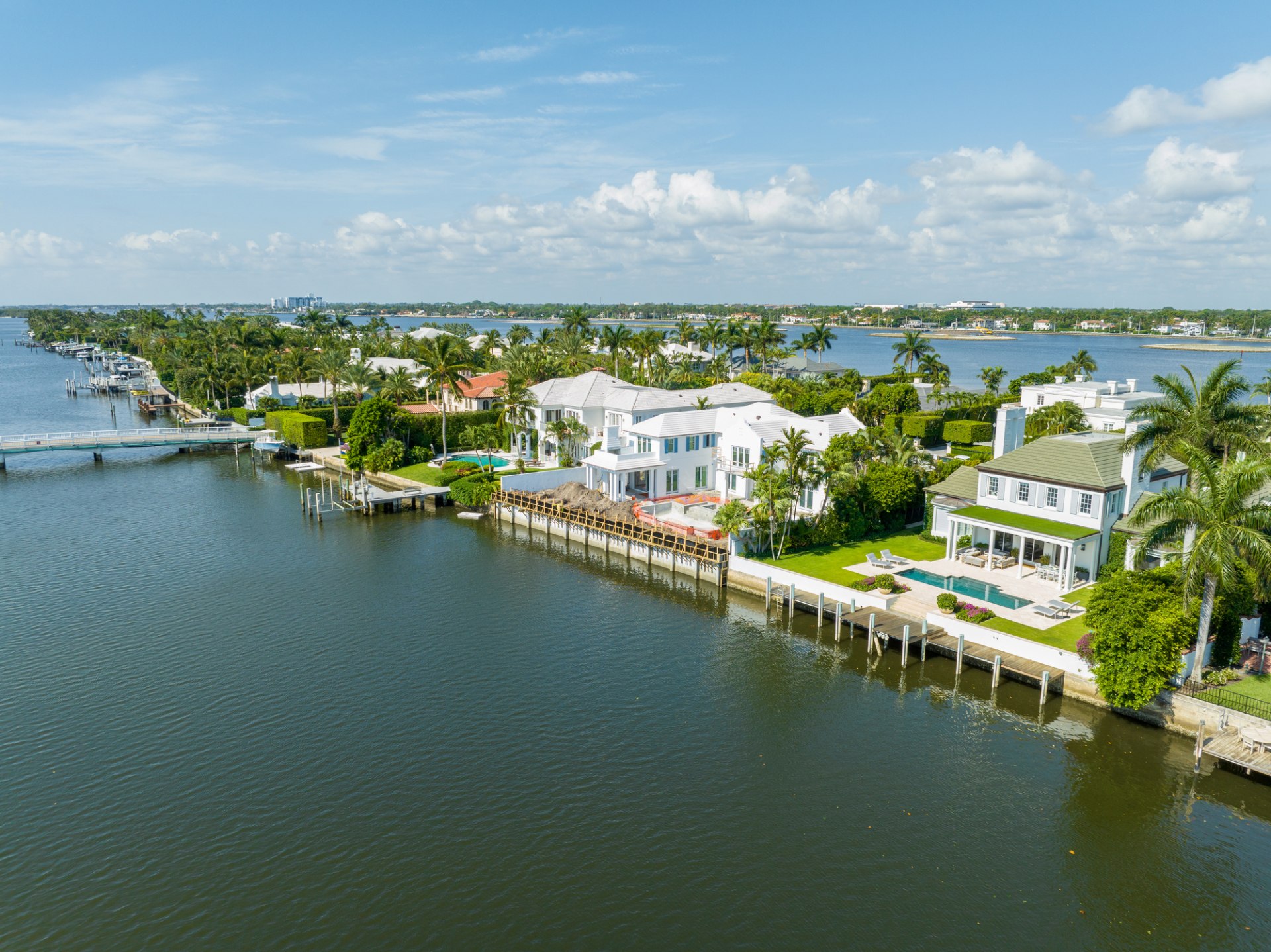
For those establishing a seasonal residence, living in Palm Beach is defined by homes that support a refined snowbird lifestyle − where indoor–outdoor living and waterfront perspective shape each stay.
The town of Palm Beach offers one of the most desirable winter lifestyles in the United States, drawing seasonal residents with its subtropical climate, pristine beaches, world-class shopping, private clubs, and a vibrant social season. Yet, unlike a typical vacation, living here seasonally requires foresight. Inventory is limited, peak-season services are in high demand, and the costs − if not planned carefully − will add up quickly.
For those considering living in Palm Beach, this guide provides a step-by-step approach to planning winter life, from defining your goals to refining your routine after your first season.
SNOWBIRD LIVING IN PALM BEACH
|
Table of Contents:
- STEP 1: DEFINE YOUR SNOWBIRD GOALS AND TIMELINE
- STEP 2: CHOOSE THE RIGHT AREA FOR SEASONAL LIVING
- STEP 3: DECIDE WHETHER TO RENT OR BUY
- STEP 4: SELECT THE RIGHT HOME TYPE FOR SNOWBIRD LIVING
- STEP 5: PLAN THE FINANCIAL SIDE EARLY
- STEP 6: UNDERSTAND INSURANCE, WEATHER, AND RISK PLANNING
- STEP 7: CONSIDERATIONS FOR YOUR PRIMARY HOME WHILE YOU’RE AWAY
- STEP 8: PREPARE FOR DAY-TO-DAY LIVING AS A SNOWBIRD
- STEP 9: BUILD A SEASONAL LIFESTYLE AND COMMUNITY
- STEP 10: RE-EVALUATE AFTER YOUR FIRST SEASON
- FREQUENTLY ASKED QUESTIONS
- ENJOY EFFORTLESS SNOWBIRD LIVING IN PALM BEACH
STEP 1: DEFINE YOUR SNOWBIRD GOALS AND TIMELINE

Defining a snowbird lifestyle begins with clarity: how, when, and where living in Palm Beach will fit into your long-term plans.
For anyone planning a seasonal move, the process begins with clarity. Before touring properties or evaluating neighborhoods, define how Palm Beach fits into your calendar, daily routine, and long-term goals. Many begin with seasonal stays, but the snowbird lifestyle often evolves into extended seasons or full-time residency.
Decide how long you plan to stay.
The length of your stay will shape nearly every housing decision. Palm Beach’s season typically runs from November through April, when the island is at its most active. First-time snowbirds often begin with shorter visits to understand the pace of daily life, then extend future seasons. As stays lengthen, ownership often becomes more practical than renting, particularly as seasonal rates continue to rise.
Consider whether this is seasonal or a future full-time move.
Some buyers approach Palm Beach as a seasonal retreat, while others anticipate a longer-term transition. This distinction should guide property selection. Condominiums offer ease and flexibility for seasonal use, while single-family homes or club communities may better support year-round living.
Define your lifestyle priorities.
Lifestyle should drive location and property type. Proximity to Worth Avenue, ocean access, private neighborhoods, or club amenities all shape the experience. The right home should support how you intend to spend your time, not just where you stay.
STEP 2: CHOOSE THE RIGHT AREA FOR SEASONAL LIVING
Choosing the right location shapes your daily experience as a seasonal resident. The Palm Beach area offers several distinct living environments, each with its own rhythm, level of activity, and lifestyle advantages.
Understanding the differences between the Palm Beach Island, Downtown West Palm Beach, and surrounding communities helps ensure your seasonal home aligns with both your preferences and budget.
Choose Palm Beach Island for classic coastal elegance.
Palm Beach Island represents the traditional snowbird experience, defined by pristine beaches, historic estates, and private clubs. During peak season, traffic near drawbridges becomes part of island life, and real estate commands a premium. Street parking often requires permits, but for buyers seeking privacy, luxury, and immediate access to the ocean and Lake Trail, the island offers a refined and highly desirable winter setting.
Go with West Palm Beach for urban convenience and culture.
Downtown West Palm Beach offers a more urban, walkable lifestyle, with cultural venues, restaurants, nightlife, and seasonal events within close reach. Modern high-rise condominiums provide full-service amenities at a more accessible price point than properties on the island, making the area attractive to first-time snowbirds and buyers who prefer a more active, social environment while remaining just minutes from the beach.
Understand the difference between waterfront and in-town living.
Waterfront homes offer views, boating access, and privacy, but typically come with higher insurance and maintenance costs. In-town properties, for their part, provide walkability, convenience, and a more social daily rhythm. Many snowbirds explore both options through seasonal rentals before committing, ensuring their address supports both their ideal winter season and their longer-term plans.
STEP 3: DECIDE WHETHER TO RENT OR BUY
Choosing between renting and buying first is a defining decision for prospective snowbirds in Palm Beach. With luxury properties commanding premium prices during peak season, a measured approach usually helps to prevent costly missteps.
Weigh the benefits of renting and buying.
Renting offers a low-risk way to experience the Palm Beach lifestyle before committing to ownership. You get the chance to explore different neighborhoods, from the walkable charm near Worth Avenue to more private enclaves, while gaining a clearer understanding of daily life, property types, and seasonal costs. Renting also provides flexibility, requiring a smaller upfront financial commitment and allowing you to adjust your plans from season to season.
Consider seasonal rental realities.
The Palm Beach and West Palm Beach rental markets are competitive, with prime properties often secured well in advance. Inventory is limited, and prime rentals are typically secured six to nine months in advance. Planning early improves access to desirable properties and helps avoid settling for less suitable options.
When buying early makes sense.
Immediate purchase can be the right move if you are certain about the area, intend to use the home long-term, and wish to secure a property in a high-demand market. Ownership ensures guaranteed lodging, allows customization, and, if so desired, can generate rental income during the off-season.
STEP 4: SELECT THE RIGHT HOME TYPE FOR SNOWBIRD LIVING
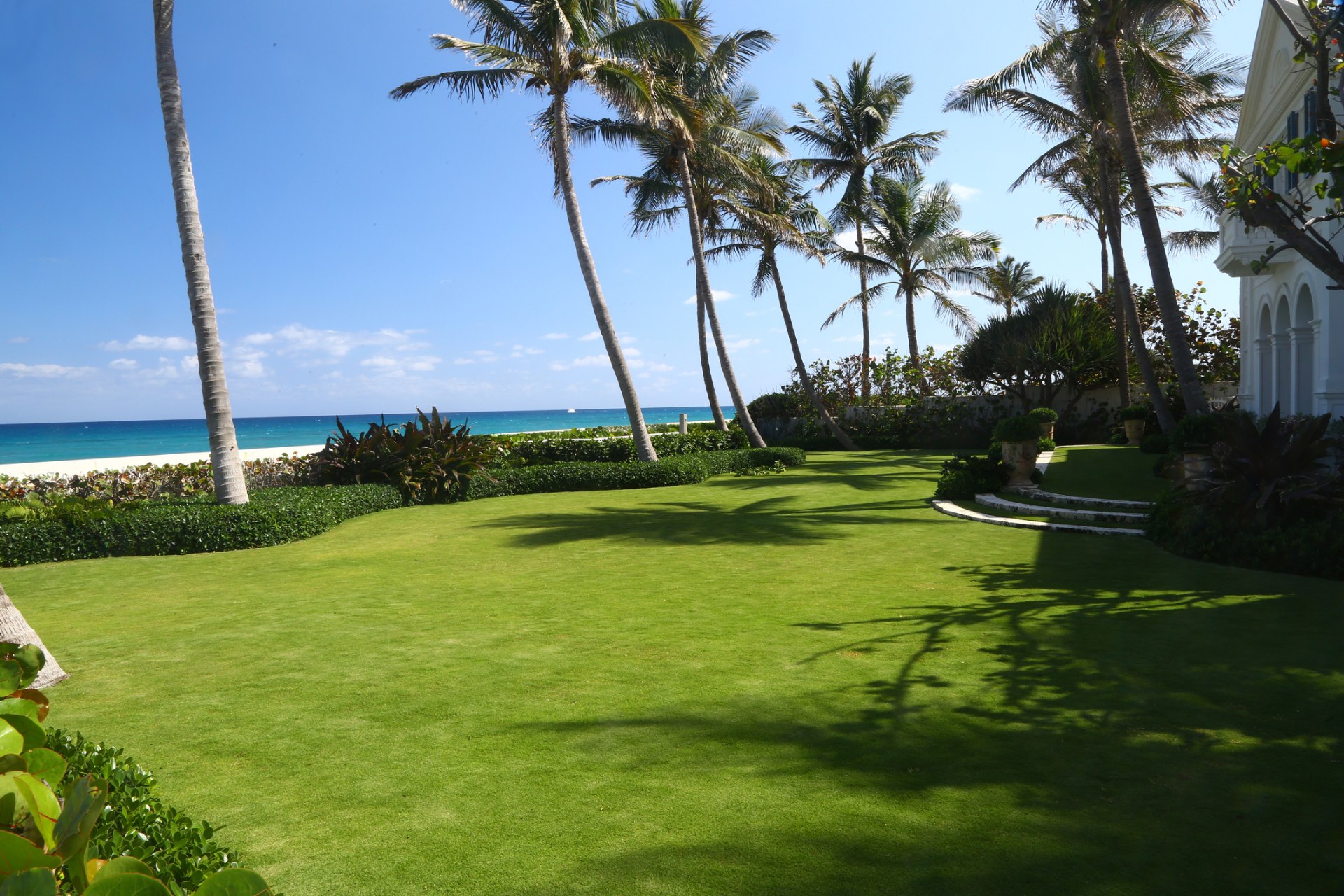
Selecting the right home defines the snowbird experience of living in Palm Beach, where coastal views, natural light, and well-designed interiors support seasonal living.
Choosing the right home shapes your experience as a seasonal resident, influencing everything from daily routines to long-term maintenance. The type of property you select affects convenience, privacy, and overall enjoyment. Consider the following options when weighing your priorities.
Choose a condo or co-op for convenience.
Condos offer a turnkey approach with lock-and-leave convenience, allowing residents to travel for extended periods without having to manage landscaping, pool care, or exterior upkeep. Many buildings provide gated security, on-site management, fitness centers, pools, and curated social events. Before purchasing, make sure to review HOA rules carefully, as they may affect rentals, guest access, and pets.
Opt for a single-family home for privacy and flexibility.
Single-family homes provide space, autonomy, and greater control over design and use. Owners may customize interiors and outdoor areas without shared walls or the constraints often associated with HOA rules. Seasonal residents typically rely on property managers to handle maintenance, security, and routine upkeep during their absence, requiring a clear plan for ongoing home care.
Weigh new construction against historic homes.
The age and style of a house affect both maintenance and character. New construction provides modern systems, efficiency, and lower upkeep. Historic homes offer architectural significance and prime locations but require constant care. Buyers should weigh these factors against lifestyle preferences and long-term goals.
STEP 5: PLAN THE FINANCIAL SIDE EARLY
Financial planning is essential when purchasing a seasonal home in Palm Beach. While many buyers focus on price and location, the true cost of ownership extends well beyond the transaction. Evaluating ongoing expenses, tax considerations, and long-term financial strategy early helps ensure the lifestyle remains both enjoyable and sustainable.
Budget beyond the purchase price.
Seasonal ownership often means maintaining two households at once, significantly increasing annual expenses. In addition to mortgage and property costs, buyers should account for utilities, insurance, travel, dining, club memberships, and other lifestyle expenses associated with spending part of the year in Palm Beach. Building a realistic annual budget early helps prevent financial surprises later.
Understand the ownership costs many buyers underestimate.
Recurring costs may become substantial, particularly in luxury condominiums and waterfront properties. HOA fees, insurance, maintenance, landscaping, pool service, and home monitoring are all ongoing considerations, especially when homes sit vacant for part of the year. These expenses should be evaluated carefully before purchasing.
Consider taxes and residency carefully.
For some buyers, establishing Florida residency can offer meaningful tax advantages, particularly for those relocating from high-tax states. However, residency is not determined by time alone. It typically requires demonstrating intent through factors such as primary address, licensing, and financial ties. Because requirements vary by state and situation, working with a qualified tax advisor is essential when evaluating this transition.
STEP 6: UNDERSTAND INSURANCE, WEATHER, AND RISK PLANNING

A well-planned snowbird lifestyle includes protecting your investment through thoughtful insurance, weather awareness, and long-term risk planning.
Owning a seasonal home in Palm Beach requires planning beyond the purchase itself. Insurance, weather exposure, and property protection all play a role in preserving both your investment and your peace of mind.
Learn the basics of home and flood insurance.
Insurance in coastal Florida is complex, often requiring multiple policies. Standard homeowners insurance generally covers wind damage but not flooding, which necessitates a separate flood policy. Many policies include hurricane deductibles calculated as a percentage of the home’s value. Seasonal homes may also face coverage limitations when unoccupied; that’s why it’s important to coordinate with an insurance professional to ensure all risks are addressed.
Understand how hurricane season affects seasonal owners.
Hurricane season runs from June through November, which often overlaps with the months when many snowbirds are away. Because wind and flood damage are covered separately, both policies are typically necessary. Preparation usually takes place before leaving for the summer and may include installing shutters, inspecting roofs and mechanical systems, and securing outdoor furniture and landscaping.
Prepare the home before leaving for the off-season.
Seasonal residents often set air conditioning to maintain humidity, turn off the main water supply, and schedule regular property checks. Mail forwarding, security monitoring, and trusted local contacts ensure the home remains safe and well-maintained. With proper preparation, owners can enjoy the season without concern over unattended property issues.
STEP 7: CONSIDERATIONS FOR YOUR PRIMARY HOME WHILE YOU’RE AWAY
For many snowbirds, buying a Palm Beach residence is only part of the equation. Managing your primary home during extended absences is equally important, ensuring both properties remain secure, maintained, and aligned with your overall lifestyle.
Decide how active your primary home will be.
Determine whether your primary residence will remain vacant or serve a purpose while you are away. Leaving it unoccupied offers greater privacy and control but requires consistent oversight. Renting may offset costs, though it can introduce wear and limit personal use. Local regulations, HOA rules, and lease restrictions should be reviewed before committing to a rental strategy.
Plan for home management and security.
Even when unoccupied, a home requires regular attention. Routine property checks, smart home monitoring systems, and trusted local contacts should help identify issues early. Managing mail, deliveries, and exterior upkeep also maintains the appearance of occupancy. Depending on location, climate control, humidity management, or winterization may be necessary to protect the property.
Review insurance and liability coverage.
Insurance policies should reflect how the property is used throughout the year. Some insurers limit coverage for vacant homes, making advance notification essential. Liability exposure may also increase if the home is rented or used by guests. Updating coverage ensures protection remains consistent across both residences.
STEP 8: PREPARE FOR DAY-TO-DAY LIVING AS A SNOWBIRD
Preparing for daily life is an essential part of seasonal ownership. The goal is to make time in Palm Beach feel comfortable and sustainable rather than like an extended vacation.
Plan healthcare access ahead of the season.
Confirm insurance, identify local providers, and transfer prescriptions. Longer stays benefit from continuity of care and reduce the need to travel back to the primary residence.
Organize transportation and travel logistics.
Decide whether to ship, rent, or maintain a vehicle locally. Prepare a seasonal checklist for essentials, documents, and personal items to streamline transitions.
Set up storage and seasonal organization.
Maintain dedicated storage, secure valuables, and keep duplicate essentials in each home. Organized packing lists should further simplify seasonal moves.
Understand that daily life is different from vacation living.
Seasonal living requires routines: grocery shopping, appointments, and home responsibilities become part of everyday life. Planning these early ensures a sustainable and enjoyable experience.
STEP 9: BUILD A SEASONAL LIFESTYLE AND COMMUNITY
A successful seasonal move extends beyond the property itself. Buyers should consider how they want to spend their time and the relationships they hope to cultivate, creating a lifestyle that evolves with each season.
Participate in social clubs, cultural institutions, and seasonal events.
Palm Beach offers a vibrant social season centered on clubs, cultural institutions, and signature events. Engaging in these settings provides entertainment, structure, and opportunities to connect with like-minded peers throughout the winter months.
Make connections with full-time residents over time.
Building relationships with the locals adds depth to the seasonal experience. Volunteering, attending events, and frequenting neighborhood spots help create familiarity and make each return feel more established.
Remember that lifestyle planning matters as much as housing.
Long-term satisfaction often depends less on square footage or amenities and more on how well your time is spent. The right balance of activities, relationships, and routines ultimately defines the success of each season.
STEP 10: RE-EVALUATE AFTER YOUR FIRST SEASON
Your first winter in Palm Beach often reshapes expectations around seasonal ownership. What begins as a temporary escape frequently evolves into a more structured lifestyle, where daily routines, property management, and long-term planning become part of the experience.
Reflect on your first season.
Assess how your daily routines, expenses, social patterns, and property management needs align with your expectations. Firsthand experience often reveals nuances that are difficult to anticipate in advance.
Recognize when it may be time to adjust.
Many snowbirds reassess their approach after the first season, whether that means upgrading or downsizing, purchasing instead of renting, or considering a longer-term or year-round transition. These decisions are often informed by how well the initial plan supported both lifestyle and convenience.
Refine your strategy for future seasons.
Use what you’ve learned to adjust location, property type, budget, and seasonal timing. With each return, the process becomes more efficient, allowing your time in Palm Beach to feel increasingly seamless and aligned with your goals.
FREQUENTLY ASKED QUESTIONS
How far in advance should I plan a snowbird season in Palm Beach?
Planning typically begins six to twelve months in advance, as seasonal rentals and desirable properties are often secured well before peak season.
What do buyers often underestimate when transitioning to a snowbird lifestyle?
Many underestimate the complexity of maintaining two homes, including property management, insurance, and day-to-day logistics across residences.
How does the snowbird lifestyle evolve after the first few seasons?
Many snowbirds move from renting to owning, refine their location preferences, and gradually extend their stays as the lifestyle becomes more established.
ENJOY EFFORTLESS SNOWBIRD LIVING IN PALM BEACH
Snowbird living is most successful when guided by thoughtful planning rather than rushed decisions. For buyers considering the Palm Beach lifestyle, the market offers both seasonal flexibility and a clear path toward long-term residency.
To begin planning your Palm Beach snowbird lifestyle, contact Suzanne at 561.373.0941 or connect via email for confidential representation.