




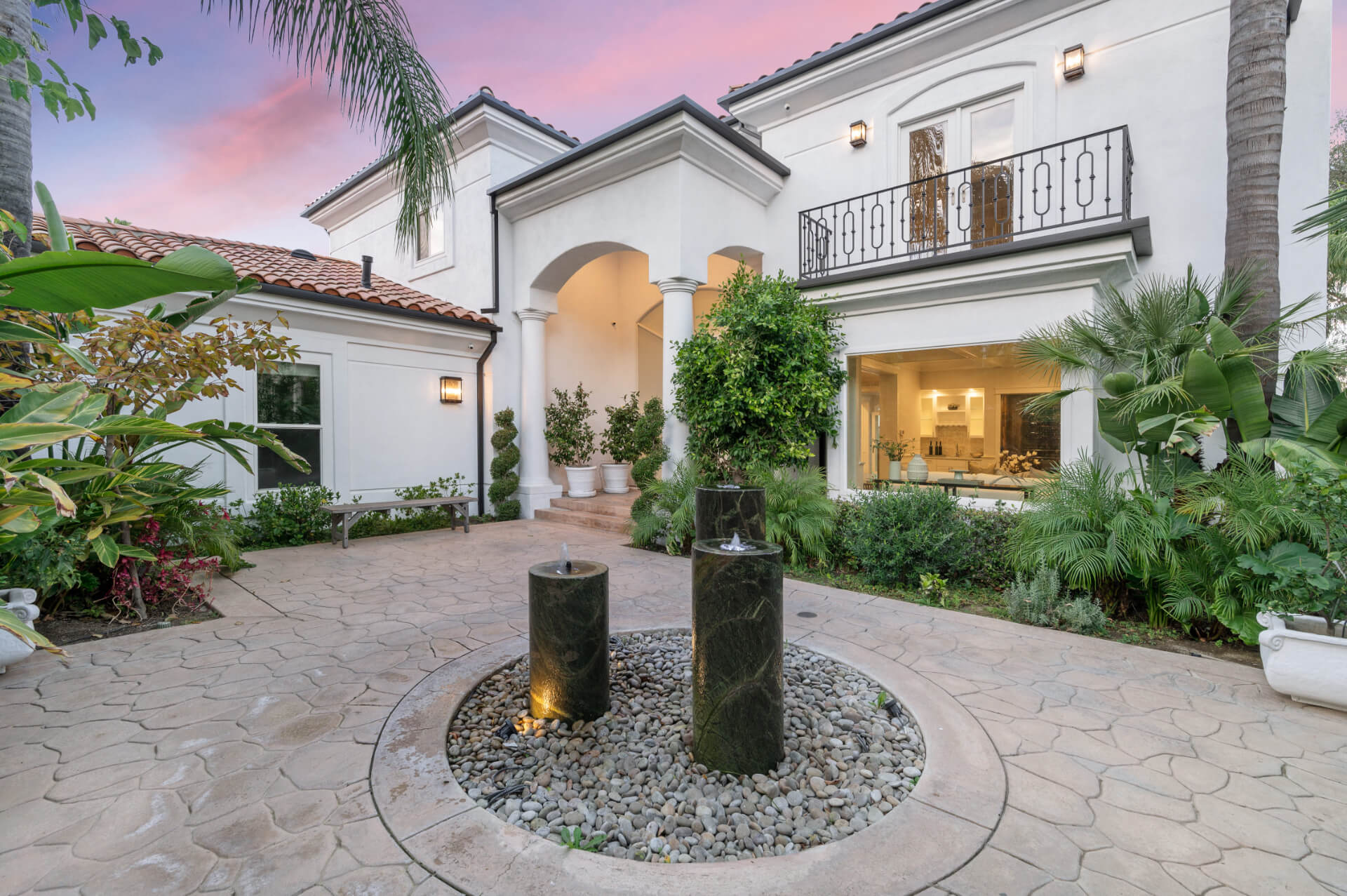
In Palm Beach, buyers often evaluate whether a property’s existing structure supports its full potential − or limits it.
In Palm Beach, buyers rarely evaluate a property on the house alone. More often, they weigh the full potential of the site itself — its land value, positioning, architectural integrity, and long-term use.
That is why one question tends to shape the decision early: Is it smarter to renovate what is already there, or rebuild entirely?
In a market where scarcity, regulation, and location carry unusual weight, the decision is rarely a superficial one.
Table of Contents:
- Understanding land value in Palm Beach
- When does renovation make sense?
- When should you consider rebuilding as an option?
- Zoning, regulations, and other considerations
- The time and cost equation
- How can buyers align their decisions with their long-term goals
- Frequently asked questions
- Plan your next move in Palm Beach with confidence and clarity
KEY FACTORS SHAPING PROPERTY DECISIONS IN PALM BEACH
|
Understanding land value in Palm Beach
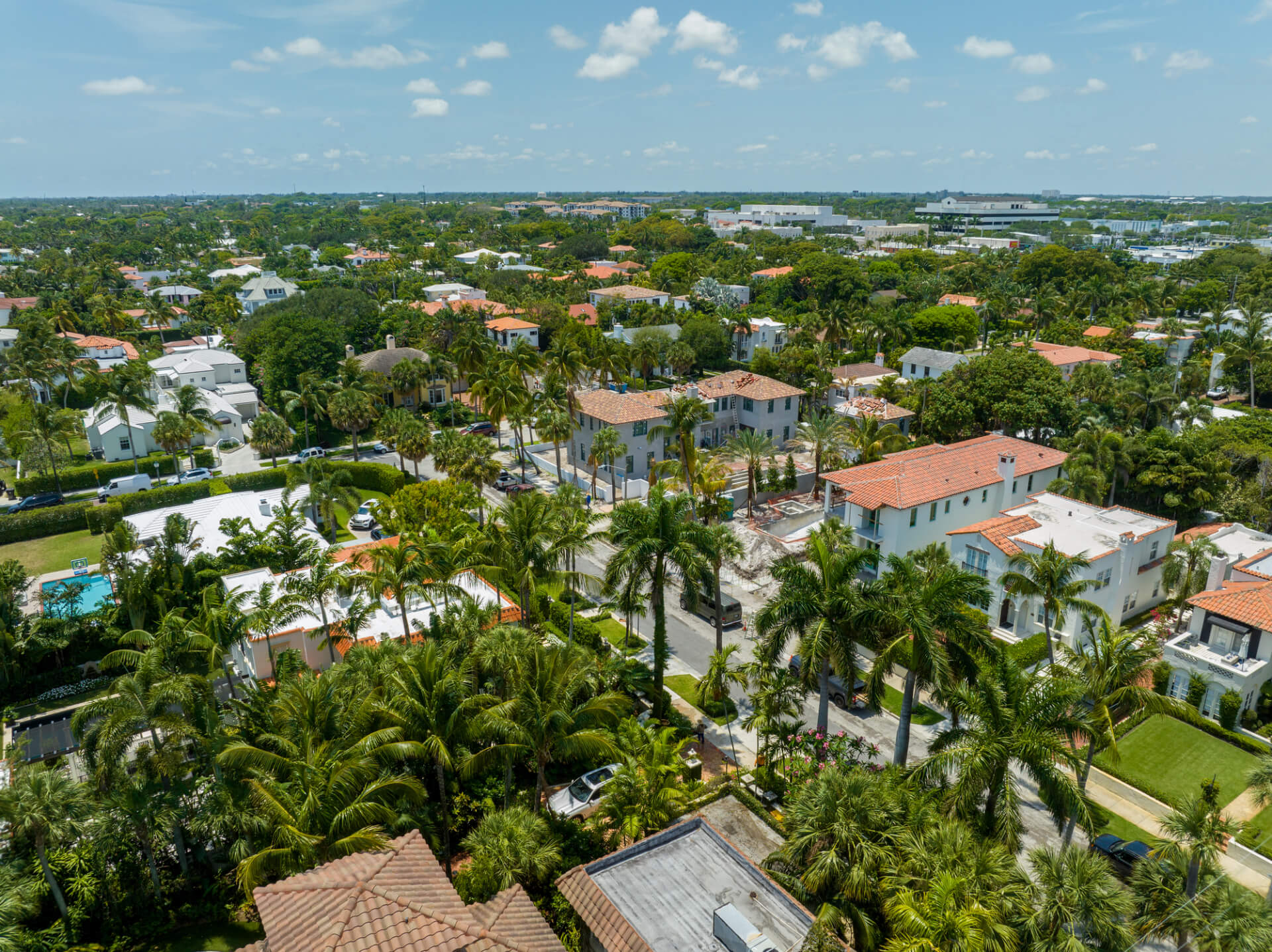
From above, it becomes clear how positioning, density, and limited land availability shape property value in Palm Beach.
Buyers quickly learn that each parcel carries a unique set of advantages — defined by geography, placement, and lifestyle access — that form the foundation of value in Palm Beach and shape what a property may ultimately become.
Recognize the role of scarcity.
In the Palm Beach real estate market, everything begins with certain limitations. With the island bordered by the Atlantic Ocean and the Intracoastal Waterway, available land is inherently finite. This constraint creates a level of demand that remains consistent across market cycles. Parcels are not easily replaced, and that permanence underpins long-term value.
Consider how location shapes daily living.
Location goes beyond what a map can show — it reflects how a property connects to the rhythms of everyday life in Palm Beach. Proximity to Worth Avenue, private clubs, and established residential enclaves adds a layer of convenience and social access that buyers consistently prioritize. Homes situated within this core tend to carry a stronger, more enduring appeal.
Look at lot size through a practical lens.
Size offers flexibility, but only when paired with the right setting. Larger lots allow for expanded living spaces and outdoor amenities, yet they do not automatically translate to higher value. A smaller parcel in a prime location often holds greater appeal than a larger one further removed from the town’s center.
Evaluate positioning and lifestyle access.
Positioning brings these elements together. Waterfront exposure remains the most sought-after feature, particularly along the ocean and Intracoastal. Beyond the shoreline, walkability and ease of access to dining, shopping, and the beach play an increasingly important role. Properties that balance privacy with proximity tend to represent the fullest expression of what makes Palm Beach land valuable, particularly in areas where redevelopment is beginning to take shape.
When does renovation make sense?
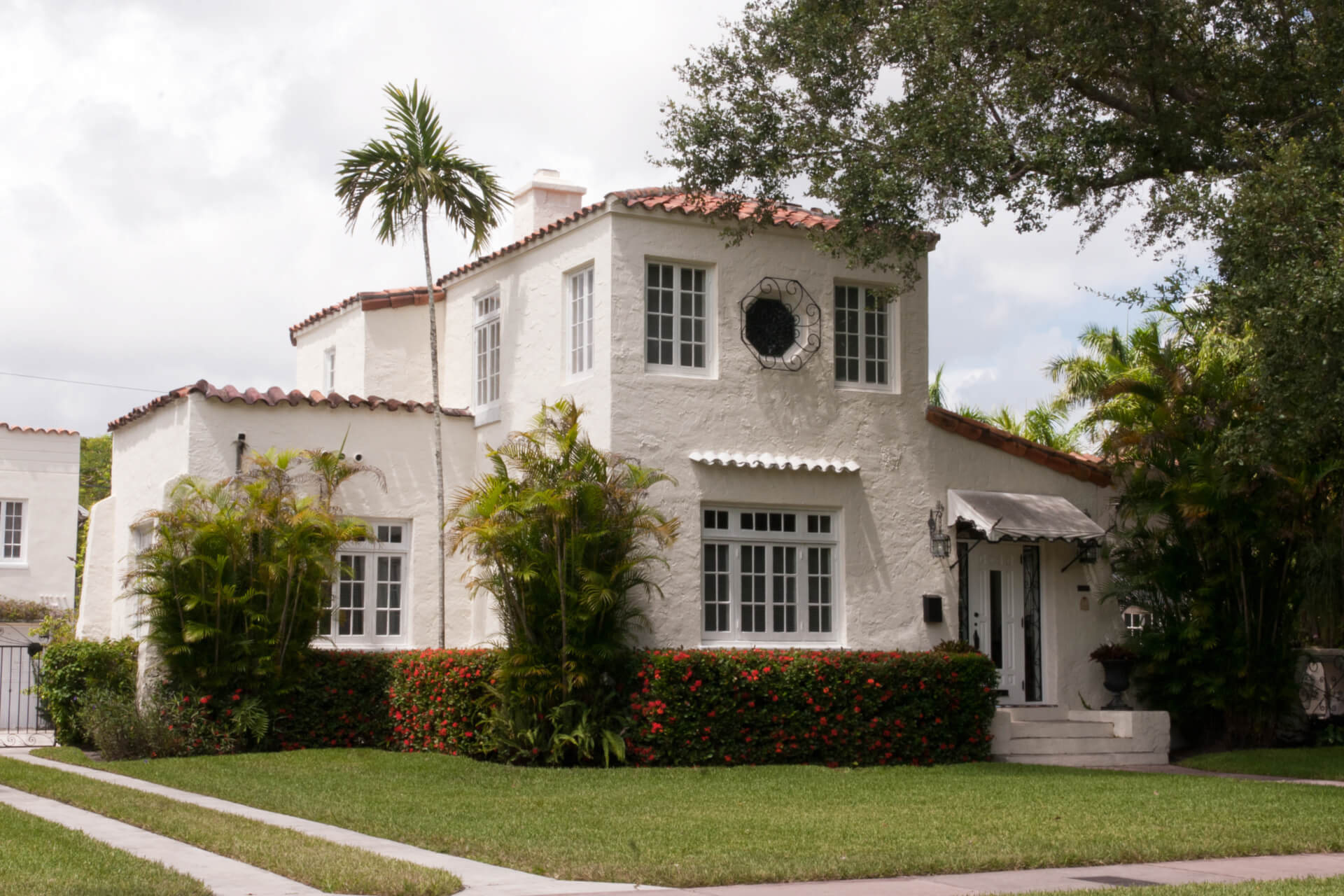
Renovation is often the preferred path when a home’s architectural integrity already supports long-term value.
Not every property calls for a complete reinvention. In Palm Beach, remodeling is a compelling path for buyers who recognize value beneath the surface — the key is knowing when preservation becomes the smarter investment.
When the home carries architectural significance.
Renovation makes most sense when a property carries a distinct architectural legacy. Homes influenced by Mediterranean Revival design, or those woven into Palm Beach’s historic fabric, often possess proportions, materials, and craftsmanship that are difficult to replicate today. Preserving these elements maintains design continuity while allowing for thoughtful modernization. For buyers exploring home renovation in Florida, this approach preserves architectural integrity while adapting the home to current living standards.
In these cases, the structure itself contributes meaningfully to the property’s long-term value.
When the home has maximized its location.
Certain homes benefit from positioning that would be difficult to replicate today. Whether set along the waterfront, within the estate section, or on parcels with favorable setbacks, these properties often derive their value from how they sit on the land. Renovation allows that positioning to remain undisturbed while improving function and livability. Established landscaping adds a level of permanence that new construction cannot immediately replicate.
When you want to prioritize speed and flexibility.
Timing can also play a decisive role. Renovation typically offers a faster path to occupancy than a full rebuild, especially when projects are phased — allowing for earlier use or the option to generate income while improvements are underway. For buyers weighing immediacy against long-term value, that balance often makes renovation the more practical choice.
When should you consider rebuilding as an option?
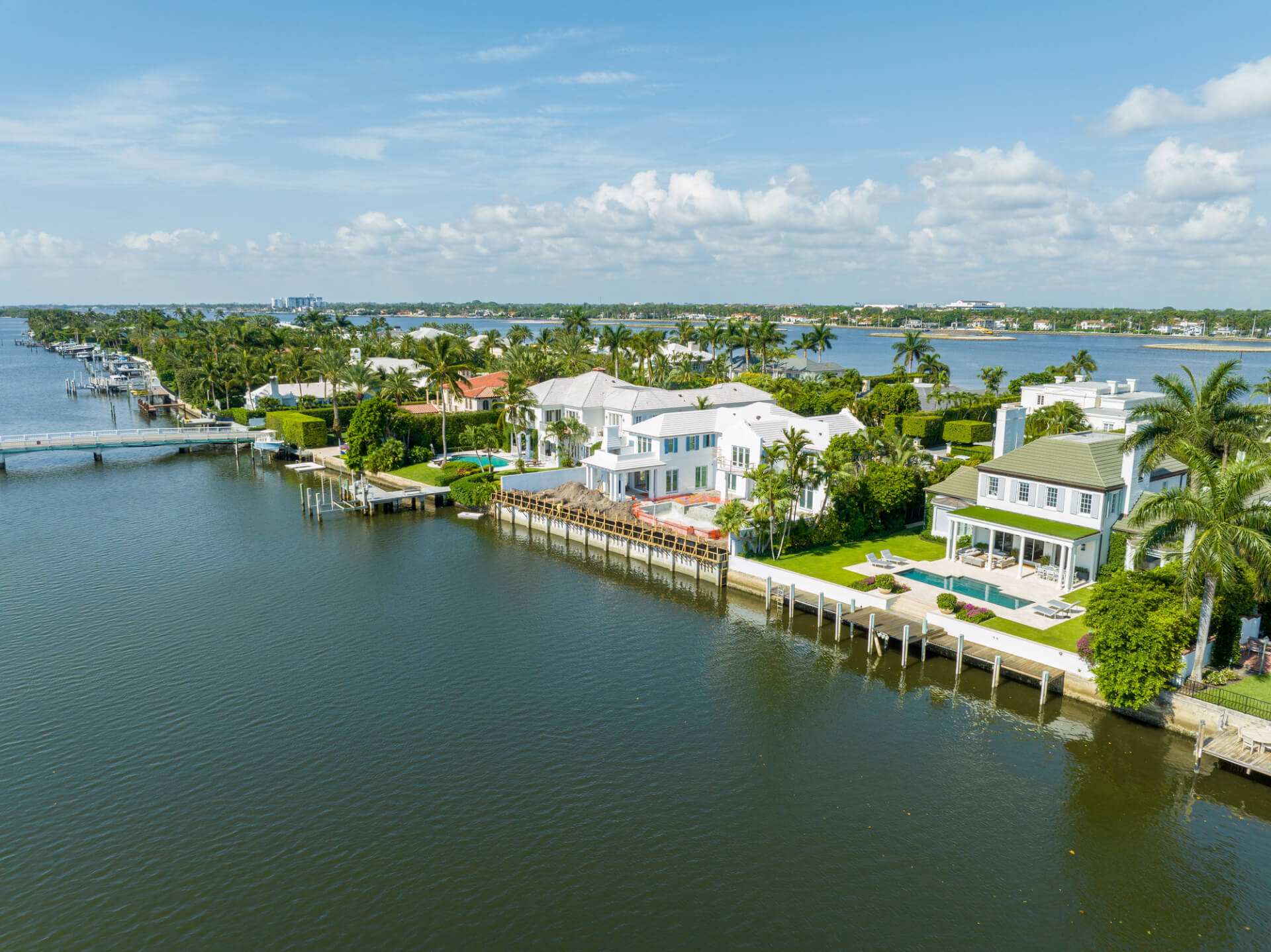
Rebuilding allows a property to fully capitalize on its location, aligning design, scale, and functionality with the full potential of the land.
Some properties are no longer suited for renovation. In Palm Beach, rebuilding often becomes the more strategic path when a home’s limitations begin to outweigh its potential. These situations include:
When the home has outdated structures with limited adaptability.
Rebuilding becomes the more practical choice when a home’s framework limits meaningful improvement. Many older properties were designed with compartmentalized layouts, lower ceilings, and restricted natural light — features that no longer reflect how people live today. Structural challenges, from aging systems to hurricane compliance, can further complicate renovation. When surface updates aren’t enough, deeper inefficiencies often demand disproportionate investment, making a fresh start the more cohesive path forward.
When you want to maximize the lot’s full potential.
Certain properties offer more than what currently exists on them. Rebuilding allows for a more intentional use of the land, from expanding square footage to repositioning the home for better light, privacy, and views. It also creates the opportunity to strengthen indoor–outdoor connections and align the structure more thoughtfully with its surroundings − advantages that are difficult to achieve within an existing footprint. In these cases, the value of the land exceeds what the existing structure can support.
When you are aligning with modern buyer expectations.
At the upper tier of the Palm Beach, Florida real estate market, expectations extend well beyond aesthetics. Higher ceilings, improved flow, and integrated systems have become baseline requirements instead of mere upgrades.
Older homes, even those that remain structurally sound, may not easily accommodate these standards without extensive modification. In these cases, rebuilding provides the opportunity to design a home that aligns fully with how buyers live today.
Zoning, regulations, and other considerations
In Palm Beach, zoning and regulatory constraints determine what can be built, how long it takes, and whether a project is feasible at all. Understanding where flexibility exists — and where it does not — early in the process can save buyers significant time and expense.
Understand zoning before evaluating design potential.
Zoning classifications determine what a property can realistically support. Designations such as R-C may allow for greater flexibility, while more restrictive residential zones prioritize consistency and limit expansion. These distinctions often guide whether a home renovation in Florida is the most viable path or if a broader redevelopment strategy is warranted.
Factor in architectural review timelines early.
Exterior changes are typically subject to architectural review, covering everything from materials to overall massing. This process upholds Palm Beach’s cohesive design standards, but it can also extend project timelines. Properties within historic districts require additional layers of oversight, where approvals may take longer and significantly impact the outcome. In certain cases, this review process becomes a defining factor in project timelines.
Account for setbacks, height, and lot coverage limits.
Physical constraints define every site in Palm Beach. Setbacks, for example, determine how a structure or perimeter fence sits on the lot, height restrictions preserve the surrounding scale, and lot coverage limits regulate how much of the parcel can be built upon. These factors define the true design envelope of the property.
Confirm feasibility before committing to purchase.
Early diligence provides clarity. Flood regulations, easements, zoning restrictions, and historic designations can all affect development potential. Evaluating these elements early ensures that plans align with what is actually achievable.
The time and cost equation
Renovation is typically used to enhance an existing structure while maintaining its core framework. It allows for incremental improvements, typically with a lower initial investment and the ability to sequence work over time.
This approach works best when the goal is to improve rather than fully replace a property. In early planning conversations, establishing a clear scope is essential to keeping both the timeline and budget on track.
Rebuilding, meanwhile, offers a different framework − designing the home entirely from the ground up. While it requires a higher initial investment and a longer timeline, it provides full control over design, layout, and performance.
This path makes the most sense when the goal is to bring the property fully in line with what today’s buyers expect — particularly in established neighborhoods where land value drives the purchase.
How can buyers align their decisions with their long-term goals?
In Palm Beach, property decisions are rarely made in isolation. Renovation and rebuilding are typically expressions of a broader vision — shaped by how a buyer intends to live, invest, and use the property over time. The following considerations help bring that into focus:
Define how the home will be used.
Use is often the first and most decisive factor. Buyers purchasing a primary residence tend to prioritize customization, seeking layouts and systems that support daily living efficiently. Seasonal homeowners, by contrast, often prioritize move-in readiness — favoring properties that require little to no intervention. This distinction often determines whether renovation or rebuilding is the right path, particularly when convenience and customization are in tension.
Plan for legacy and generational use.
For many, the decision extends beyond personal use. Homes intended as long-term family assets are often evaluated through the lens of durability, adaptability, and longevity. New construction can offer a way to design with future generations in mind, incorporating current building standards while anticipating evolving needs. In this context, the property becomes more than a residence − it becomes a long-term asset designed for continuity.
Evaluate investment and resale potential.
Market dynamics remain a central factor, particularly in a supply-constrained environment. Rebuilding can create a fully modern asset that aligns with current buyer expectations, often improving resale positioning. At the same time, renovation can be equally strategic when the existing structure already resonates with its surroundings. In many cases, early planning allows buyers to improve livability in the near term while maintaining optionality for future repositioning or sale.
Align timeline with expectations.
Timing remains a key consideration in shaping the decision. Renovation can offer a faster path to occupancy, especially when improvements are contained in scope. Rebuilding, by contrast, requires a longer arc that includes design development, permitting, and construction. For buyers balancing immediacy with long-term vision, this tradeoff becomes central to determining the most aligned approach.
Match the property to your lifestyle priorities.
Ultimately, the most successful outcomes reflect how the home will function day to day. Custom builds allow for complete control over form and function, from spatial flow to specialized amenities. Renovated homes, meanwhile, often preserve a stronger sense of place, retaining architectural character and established context. The decision ultimately rests on which environment best supports daily use and long-term goals.
Frequently Asked Questions
Is it more common to renovate or rebuild in Palm Beach?
Both are common, but rebuilding is increasingly favored for non-historic homes on prime lots where the existing structure no longer supports the site’s full potential.
How important is land value when purchasing a home in Palm Beach?
Land value is often the primary driver, with many buyers evaluating the site first and treating the structure as secondary.
Do zoning regulations limit what can be built?
Yes. Setbacks, height restrictions, permits, and design review requirements all shape what is possible on a property and can meaningfully affect both renovation and redevelopment plans.
How long does a rebuild typically take compared to a renovation?
Rebuilds generally take 12 months or longer, depending on design, approvals, and construction scope.
What risks do buyers often overlook when deciding between renovating and rebuilding?
Commonly overlooked factors include structural limitations, regulatory constraints, and cost increases tied to compliance and site conditions.
Plan your next move in Palm Beach with confidence and clarity
The decision to renovate or rebuild is strongest when guided by careful evaluation rather than assumption. In Palm Beach real estate, understanding land value, structural potential, and long-term positioning allows each choice to serve a clear purpose. Whether considering new construction or home renovation in Florida, a strategic approach ensures alignment with both lifestyle and investment goals.
To begin evaluating your next property decision, contact Suzanne at 561.373.0941 or connect via email for informed guidance.